How Long Does Damp Proofing Last?

What is damp proofing?

Damp proofing is a method used to stop moisture from passing through walls or floors into a property. It protects the structure from rising damp, penetrating damp, or water ingress. Without effective damp proofing, plaster, paint, and timber can all be damaged over time.

Types of damp proofing methods

There are several ways to protect a property from damp:

  • Damp proof course (DPC): A horizontal barrier, often a layer of slate, bitumen, or plastic, built into walls near ground level.
  • Chemical injection: A liquid or cream injected into brickwork to create a water-resistant layer.
  • Damp proof membrane (DPM): A plastic sheet laid under floors or against walls to block moisture.
  • Tanking: A waterproof coating applied to walls and floors, often in basements.

Each method is chosen based on the type of property and the damp problem being treated.

damp wall
Empty basement with exposed beams and plumbing pipes, ideal for renovation.

How long each method typically lasts

The lifespan of damp proofing depends on the type of treatment and quality of installation.

  • A physical damp proof course can last for decades, often 30 years or more.
  • A chemical injection usually lasts around 20 to 30 years if installed correctly.
  • Membranes and tanking systems also provide long-term protection, but their lifespan may vary depending on conditions and use.

In many cases, damp proofing will last as long as the property is maintained, but it may eventually need renewal.

Schedule Your Free Property Survey Now!

Factors that affect durability

Several factors can shorten or extend how long damp proofing lasts:

  • Property age: Older buildings may have no original DPC or one that has broken down.
  • Quality of installation: Correct installation by trained professionals improves lifespan.
  • Ground conditions: High water tables or poor drainage place more pressure on damp proofing.

Maintenance: Regular checks on guttering, brickwork, and external ground levels reduce risk.


Signs that damp proofing may be failing

If damp proofing begins to fail, some signs may appear:

  • Tide marks on walls
  • Flaking or bubbling paint
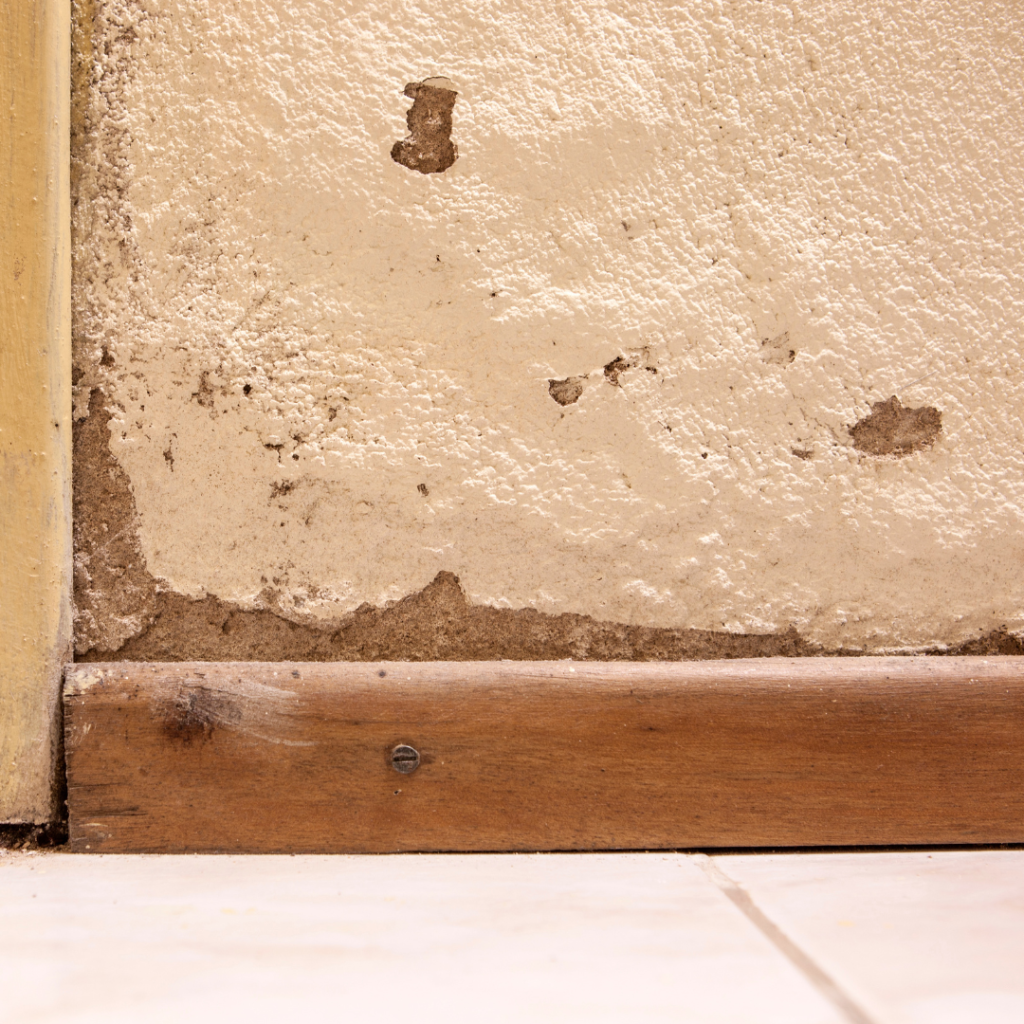
  • Crumbling plaster near the base of walls
  • White salt deposits on surfaces
  • Skirting boards that become damaged or rotten
  • A persistent musty smell

If any of these issues are noticed, a survey should be arranged to confirm the cause.

Damp proofing

Schedule Your Free Property Survey Now!

Damp HQ team

When to repair or replace damp proofing

If damp proofing has reached the end of its lifespan or was not correctly installed, repairs or replacement may be needed. A professional survey will confirm the condition of the existing system and advise on the best treatment. In some cases, only a small section may need work, while in others a new damp proof course or injection may be required.

To find out more about our damp treatment services in Bournemouth and the greater Dorset area complete the form on this page and we will be in touch.

Drying
Damp Proofing

We specialise in protecting residential and commercial properties from unwanted moisture through effective damp proofing treatments.

Damp proofing
Water Damage

Structural waterproofing acts as a preventive measure, ensuring that water is kept out and your property stays strong and secure.

Mould removal
Mould Removal

At Damp HQ, we specialise in providing full mould removal and prevention services that make sure your home remains mould free

Timber preservation
Timber Preservation

We provide comprehensive timber treatment services to protect your home or business from issues like wet rot, dry rot, and woodworm.

Related articles:

How to Damp Proof Your Home

Black Mould: What You Need to Know

What’s the Difference Between Damp Proofing & Waterproofing a Home?