Can Condensation Cause Black Mould?

What condensation is and why it happens

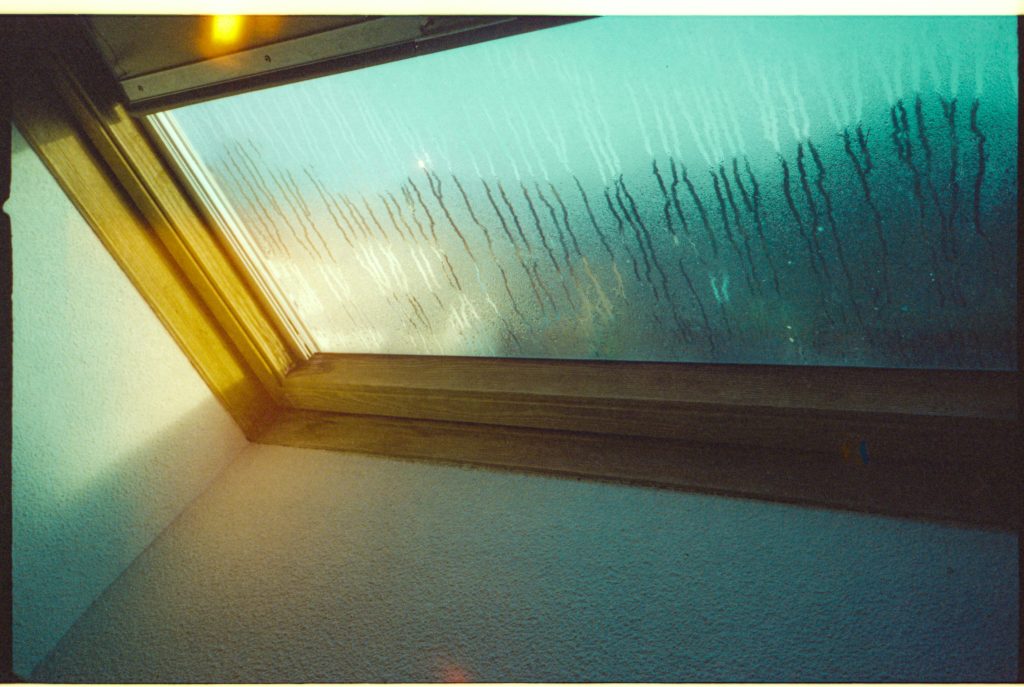
Condensation forms when warm moist air touches a cold surface such as a window, wall, or ceiling. The air cools quickly and releases water droplets. Homes with poor ventilation, high humidity, or uneven heating often have more condensation.

How condensation leads to black mould growth

When surfaces stay damp for long periods, mould spores begin to grow. Black mould thrives in these damp spots and spreads across walls and ceilings. The more moisture present, the faster mould can develop.

A view through a skylight window with raindrops and a misty, moody atmosphere.
Drying
Damp Proofing

We specialise in protecting residential and commercial properties from unwanted moisture through effective damp proofing treatments.

Damp proofing
Water Damage

Structural waterproofing acts as a preventive measure, ensuring that water is kept out and your property stays strong and secure.

Mould removal
Mould Removal

At Damp HQ, we specialise in providing full mould removal and prevention services that make sure your home remains mould free

Timber preservation
Timber Preservation

We provide comprehensive timber treatment services to protect your home or business from issues like wet rot, dry rot, and woodworm.

Where condensation-related mould is most common

Mould linked to condensation often appears in bathrooms, kitchens, and bedrooms. It is common around window frames, in corners, and on cold external walls. These areas have cooler surfaces where condensation gathers most.

Signs that black mould is caused by condensation

Black mould caused by condensation usually forms in a pattern. It may appear as dark patches on paint or wallpaper near windows and ceilings. A musty smell is another sign. If the mould is worse in winter, it is often linked to condensation.

Health concerns linked to black mould

Black mould can affect breathing and may worsen conditions such as asthma. It can also irritate the skin or eyes. Children, older people, and those with existing health problems are most at risk.

Schedule Your Free Property Survey Now!

DIY steps to reduce condensation at home

Small changes in daily habits can reduce condensation. Opening windows when cooking or bathing allows moisture to escape. Using extractor fans helps remove damp air. Keeping rooms evenly heated and drying clothes outside when possible also reduces moisture indoors.

Why surface cleaning is not enough

Wiping mould away with sprays or bleach may remove the surface marks. However, the mould roots can stay in the wall or ceiling. Unless condensation is controlled, mould will return quickly after cleaning.

How to stop black mould returning

Preventing mould is about reducing moisture and improving airflow. This can include installing better ventilation, using dehumidifiers, or repairing leaks. Insulating walls and keeping a steady room temperature can also help keep surfaces dry.

To find out more about how we can help with your damp and mould issues complete the form on this page and we will be in touch.

Damp HQ team

When condensation problems point to wider damp issues

Sometimes condensation is not the only cause of mould. Problems with insulation, damp walls, or rising damp can also create the right conditions for mould. If the issue keeps coming back, it may be a sign of a wider damp problem.

When to get professional advice

If black mould is widespread, keeps returning, or affects several rooms, it is best to seek expert advice. A professional survey can identify the cause and provide lasting solutions to protect your home.

Related articles:

How to Damp Proof Your Home

Black Mould: What You Need to Know

What’s the Difference Between Damp Proofing & Waterproofing a Home?