Penetrating Damp vs Condensation: How to Tell the Difference

What is penetrating damp?

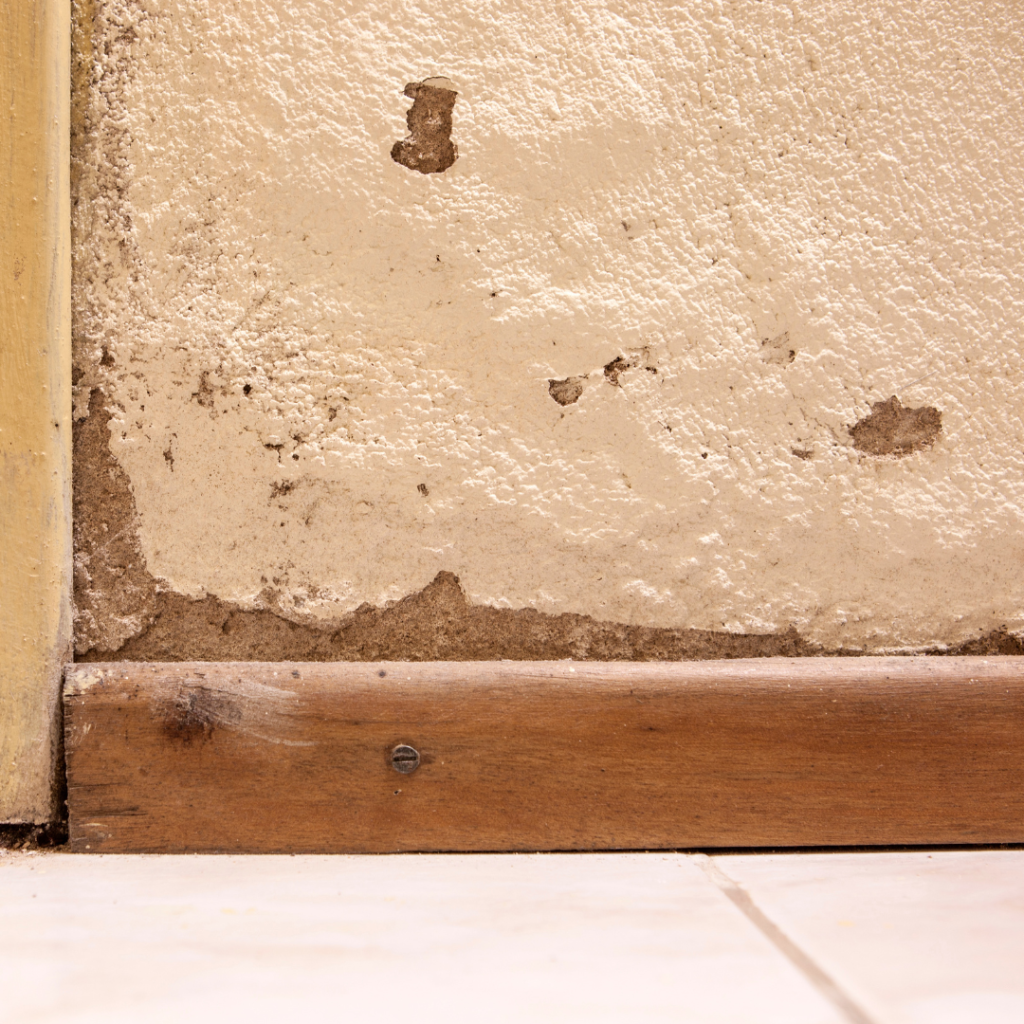
Penetrating damp occurs when water enters a property from outside. It is usually caused by damaged guttering, leaking pipes, cracked render, or porous brickwork. The moisture seeps through walls, ceilings, or roofs and creates localised patches. Unlike rising damp, which travels upwards from the ground, penetrating damp comes directly through the building fabric.

What is condensation?

Condensation happens when warm, moist air inside the home meets a cold surface such as windows, walls, or tiles. The moisture in the air turns into water droplets. It is most common in kitchens, bathrooms, and bedrooms where ventilation is poor. Unlike penetrating damp, condensation is created by indoor activity such as cooking, bathing, or drying clothes.

Empty basement with exposed beams and plumbing pipes, ideal for renovation.

Signs of penetrating damp

Penetrating damp has distinct symptoms that can usually be linked to an external problem. Common signs include:

  • Damp patches on walls or ceilings that get worse after rain
  • Plaster that feels wet or crumbles
  • Paint that flakes or bubbles
  • Mould growth on affected areas
  • A damp smell in the room
  • Timber that begins to decay

The patches often appear on one wall or in a specific area rather than across the whole room.

Schedule Your Free Property Survey Now!

Signs of condensation

Condensation shows in different ways and is often linked to day-to-day living conditions. Signs include:

  • Water droplets on windows, mirrors, or cold walls
  • Black mould in corners, around window frames, or behind furniture
  • Wallpaper that peels away from walls
  • A musty smell that lingers in affected rooms

The problem is usually worse in colder months when windows are kept closed and heating is used more often.

damp wall

How to tell the difference

It can be difficult to decide whether damp is caused by moisture entering from outside or by condensation indoors. A few points can help:

  • Location: Penetrating damp often affects external walls, ceilings, or areas near damaged pipes. Condensation tends to appear on windows, cold walls, and corners.
  • Timing: Penetrating damp often gets worse after heavy rain. Condensation appears more in winter or when rooms are poorly ventilated.
  • Pattern: Penetrating damp usually creates localised patches. Condensation is more widespread and may appear in several rooms.

If the cause is not clear, a professional survey will confirm the source before any treatment is carried out.

Penetrating damp treatment and prevention

The cause must be repaired before the problem is treated. This may involve fixing guttering, repairing roofs, replacing damaged pointing, or sealing cracks in walls. Once the source is stopped, plaster and finishes can be restored.

Condensation treatment and prevention

The key is to improve ventilation and manage indoor moisture. Extractor fans, trickle vents, and regular heating all help. Keeping furniture away from cold walls also allows air to circulate.

Schedule Your Free Property Survey Now!

Drying
Damp Proofing

We specialise in protecting residential and commercial properties from unwanted moisture through effective damp proofing treatments.

Damp proofing
Water Damage

Structural waterproofing acts as a preventive measure, ensuring that water is kept out and your property stays strong and secure.

Mould removal
Mould Removal

At Damp HQ, we specialise in providing full mould removal and prevention services that make sure your home remains mould free

Timber preservation
Timber Preservation

We provide comprehensive timber treatment services to protect your home or business from issues like wet rot, dry rot, and woodworm.

Related articles:

How to Damp Proof Your Home

Black Mould: What You Need to Know

What’s the Difference Between Damp Proofing & Waterproofing a Home?