What is rising damp?
Rising damp is a type of moisture problem that affects walls when water from the ground is absorbed into brickwork or masonry. It travels upwards through capillary action. Unlike condensation or penetrating damp, which come from surface moisture or external leaks, rising damp moves up from below.
What causes rising damp?
Rising damp occurs when a damp proof course is missing, damaged, or no longer working. Older properties may not have one at all, while in newer homes it may have broken down over time. Water from the ground then moves through the wall, carrying salts with it. These salts often leave a visible line or mark on the plaster.
Schedule Your Free Property Survey Now!
Common signs of rising damp
Rising damp has clear symptoms that make it different from other damp issues. The most common signs include:
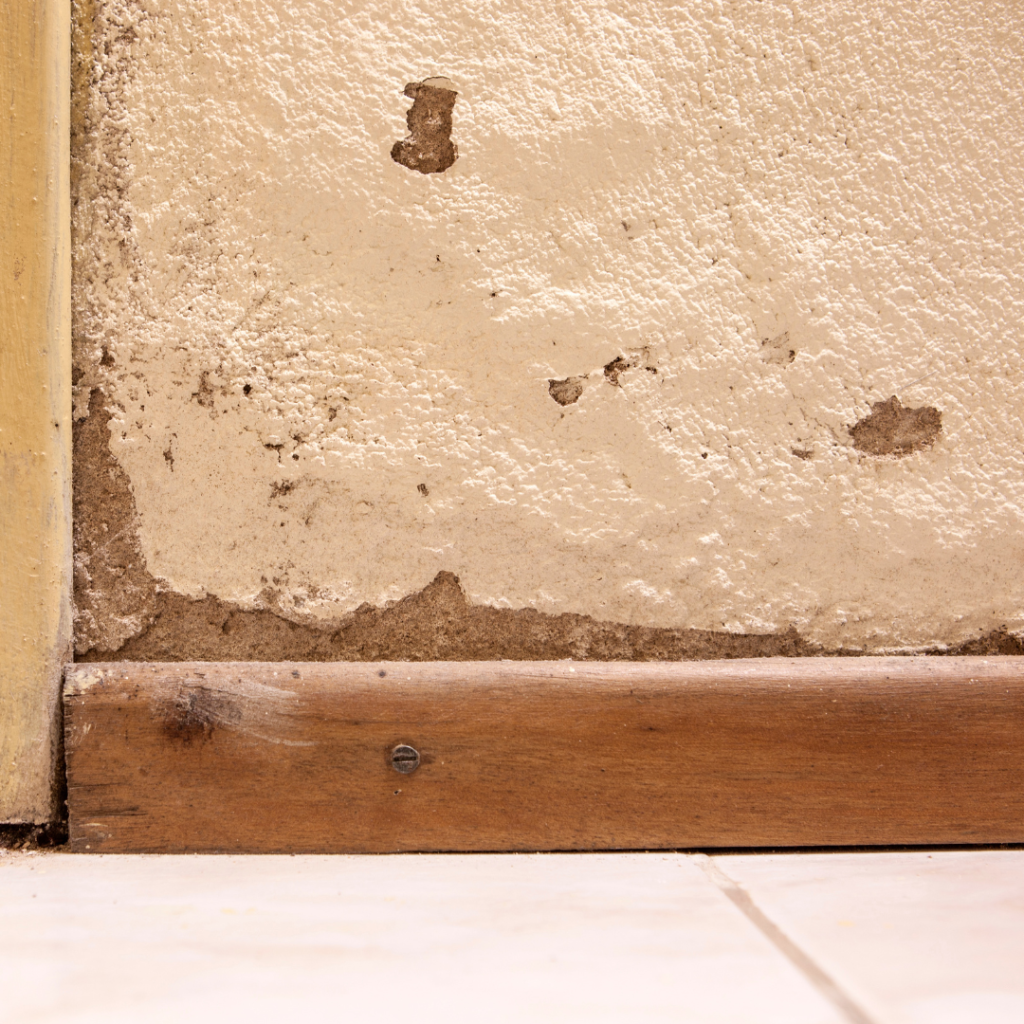
- Tide marks or staining on walls, often up to one metre high
- Flaking or bubbling paint and wallpaper
- Crumbling plaster near the base of walls
- White, powdery salt deposits on the surface
- A musty smell in affected rooms
- Skirting boards that are rotten or damaged
If these problems are noticed, it is important to confirm whether rising damp is the cause.
How to tell if it is rising damp or another damp problem
Not all damp patches are caused by rising damp. Condensation usually appears higher up walls, around windows, or in corners of rooms. Penetrating damp is often found on external walls or ceilings after heavy rain, caused by leaks or broken guttering. Rising damp is unique because it appears at the base of walls and rarely rises above one metre. An expert survey can confirm the type of damp before treatment begins.
Schedule Your Free Property Survey Now!
Treatment options for rising damp
Several treatments are available depending on the property and severity. The most common solutions include:
- Installing or repairing a damp proof course
- Using a chemical injection into the wall to block moisture
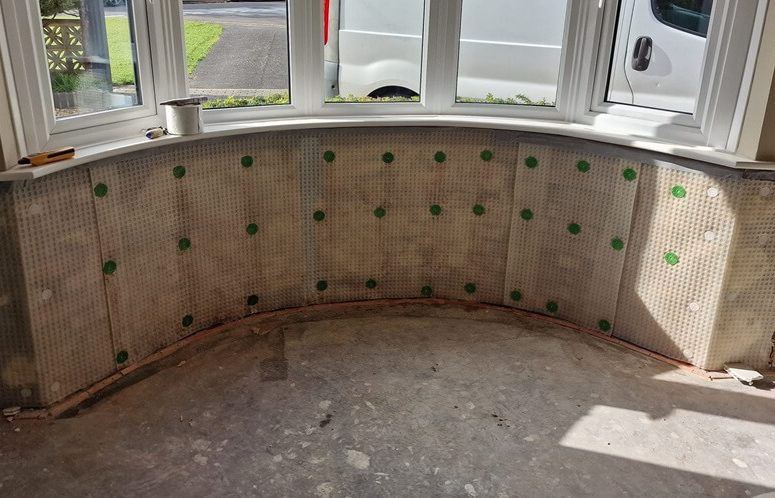
- Applying a damp proof membrane
- Replastering with salt-resistant plaster once treatment is complete
The right option will depend on the building’s age, condition, and construction.
To find out more about treatment for damp, complete the form on this page and we will be in touch.

Damp Proofing
We specialise in protecting residential and commercial properties from unwanted moisture through effective damp proofing treatments.

Water Damage
Structural waterproofing acts as a preventive measure, ensuring that water is kept out and your property stays strong and secure.

Mould Removal
At Damp HQ, we specialise in providing full mould removal and prevention services that make sure your home remains mould free

Timber Preservation
We provide comprehensive timber treatment services to protect your home or business from issues like wet rot, dry rot, and woodworm.
Rising damp costs explained
The cost of treatment depends on factors such as the size of the property, how severe the damp is, and which method is chosen. A small area may only need a localised injection treatment, while larger homes with widespread damage could require a new damp proof course. Costs also rise if plaster or skirting boards need replacement. A professional survey is the best way to get an accurate estimate.
- Preventing rising damp in the future
- Once treated, steps can be taken to reduce the risk of rising damp returning. These include:
- Keeping external ground levels below the damp proof course
- Checking drains and guttering to avoid excess water near walls
- Maintaining brickwork and pointing
- Ventilating rooms to lower moisture levels indoors
- Regular maintenance can help protect the property from further problems.
